














In a recent article, I discussed popular straight-wall cartridges used in Midwest states, followed by one covering precision rifle accessories for Midwest hunters. I understand that this can be a challenging concept for some—trust me, it is for us too. It's honestly frustrating that I can hunt deer with a modern 350 Legend, but using a 30/30, which is over a century old, is illegal. Semantics, right? Still, it's an improvement over the days when slug guns were the only option. Moving on.
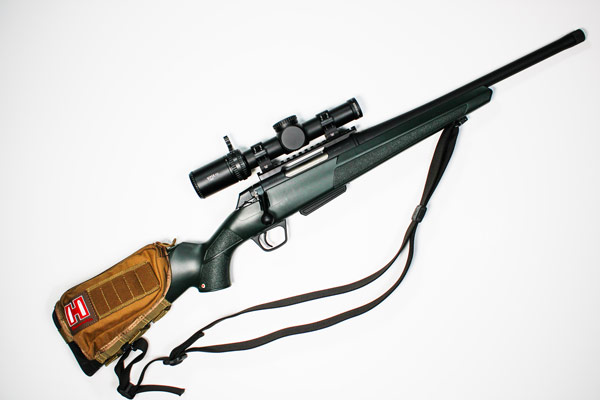
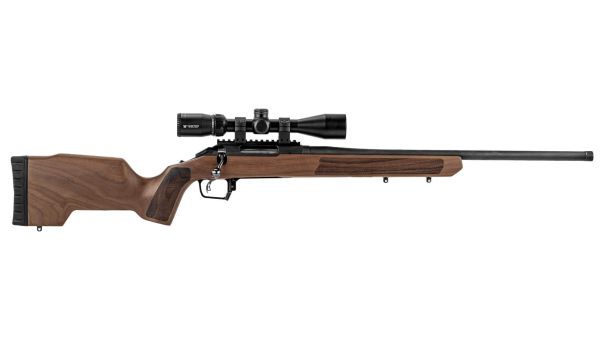
Although cartridge restrictions limit our choices, our rifles don't have to be restricted as well. In recent years, the industry has supported hunters in states with restricted hunting. When these laws first took effect, the market was primarily composed of lever-action and single-shot rifles. Today, we have options like bolt-action rifles and AR-15s. While having choices is beneficial, many of these rifles leave a lot to be desired. For several years, my primary hunting rifle has been a Winchester XPR in 350 Legend. In terms of factory rifles, it isn't bad. Bergara makes the barrels, the rifle takes detachable box mags, has a short, stout, threaded barrel, and really has a lot of what I'm looking for in a hunting rifle. But it isn't perfect—time to rectify that.
THE BACKGROUND
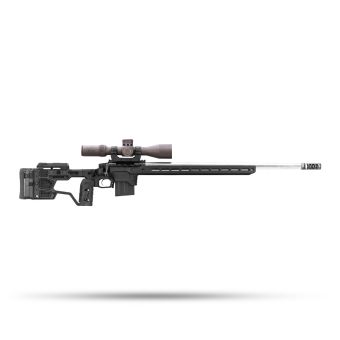
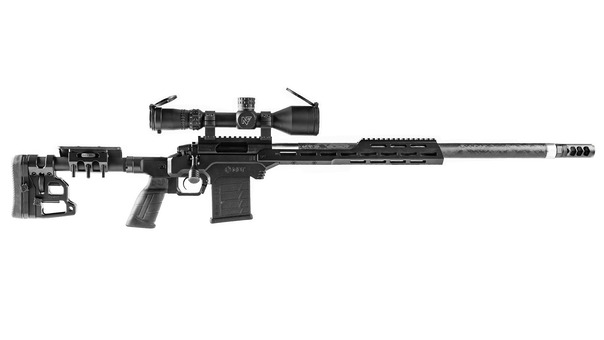
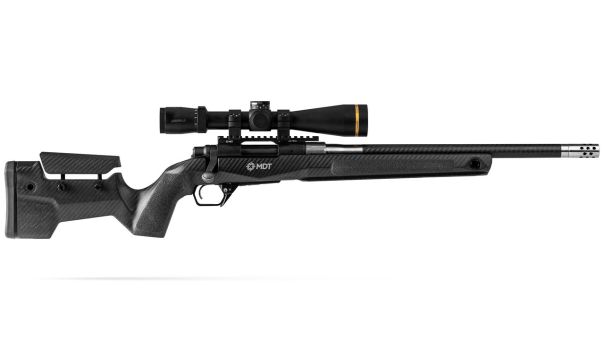
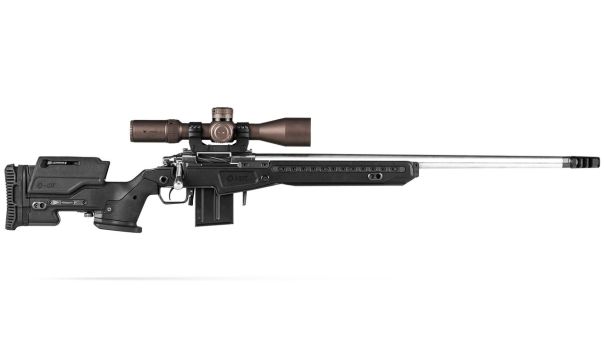
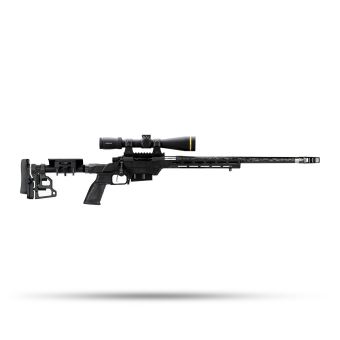
Just like Western hunters, we Midwest hunters need confidence in our gear. While many shots are within 200 yards—and often within 100—we still demand precision. Sadly, most rifle options aren't what I consider precise. However, with accessories like the MDT Field Stock, MDT AICS Magazines, Oryx Bipod, and M-LOK ARCA rails, shooters can truly adapt their rifles into a competent machine.
THE MIDWESTERN HUNTING RIFLE BUILD
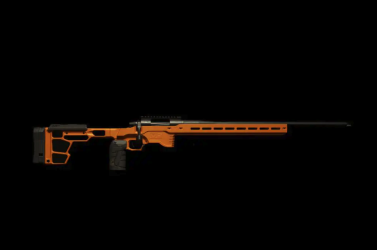
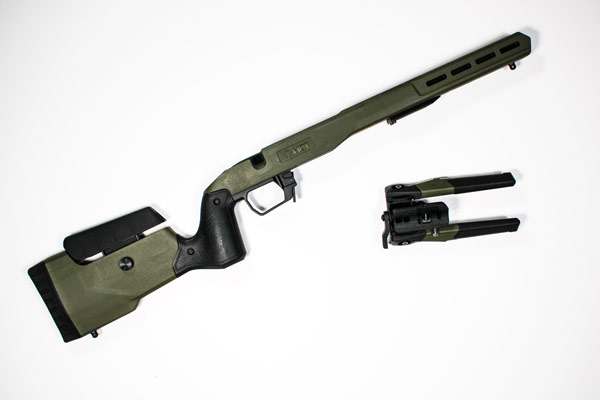
Adding an aftermarket stock or chassis is the easiest "plug-n-play" option for a rifle like the Winchester XPR. All that is required is a correctly sized Allen head and a screwdriver, and suddenly you're a master gunsmith! Okay, maybe that's a little extreme, but working on your own rifles has never been easier or more convenient.
Once you've verified the rifle is empty and removed the bolt, loosen the two action screws and separate the stock from the barreled action. I use a Real Avid Master Gun Vise with Smart-Jaws® — Gun-Fit,™ so I don't mar any finish. Next, drop in the Field Stock and tighten the bolts. I like to move back and forth between the two bolts, evenly tightening as I go. However, before I torque everything to specification, I ensure the stock is seated to the recoil lug with a few raps to the butt end using a rubber mallet. One note, on the XPR, the rear action screw is covered by the magazine latch. However, I didn't need to remove the latch to access the screw head. I just depressed the latch, fished the screwdriver with an Allen bit through, and then tightened—voila, nothing that requires an engineering degree to do.
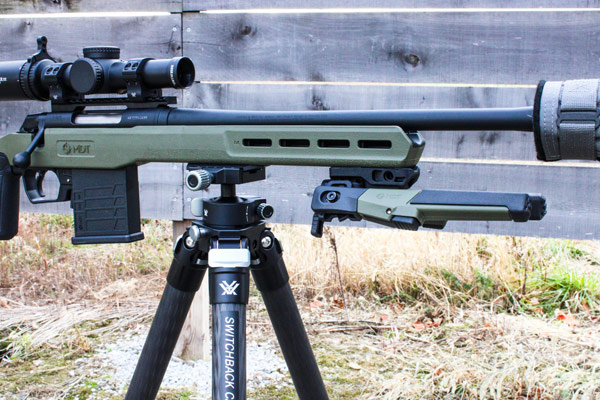
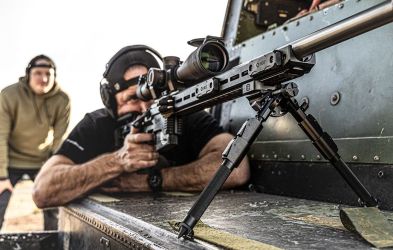
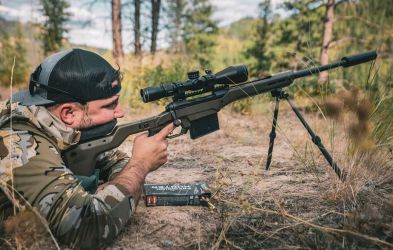
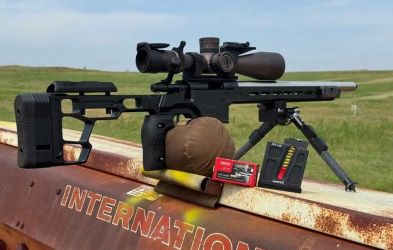
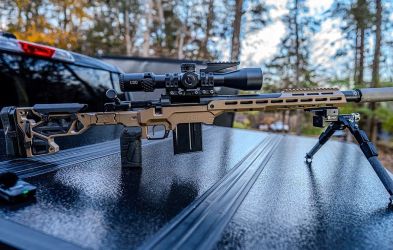
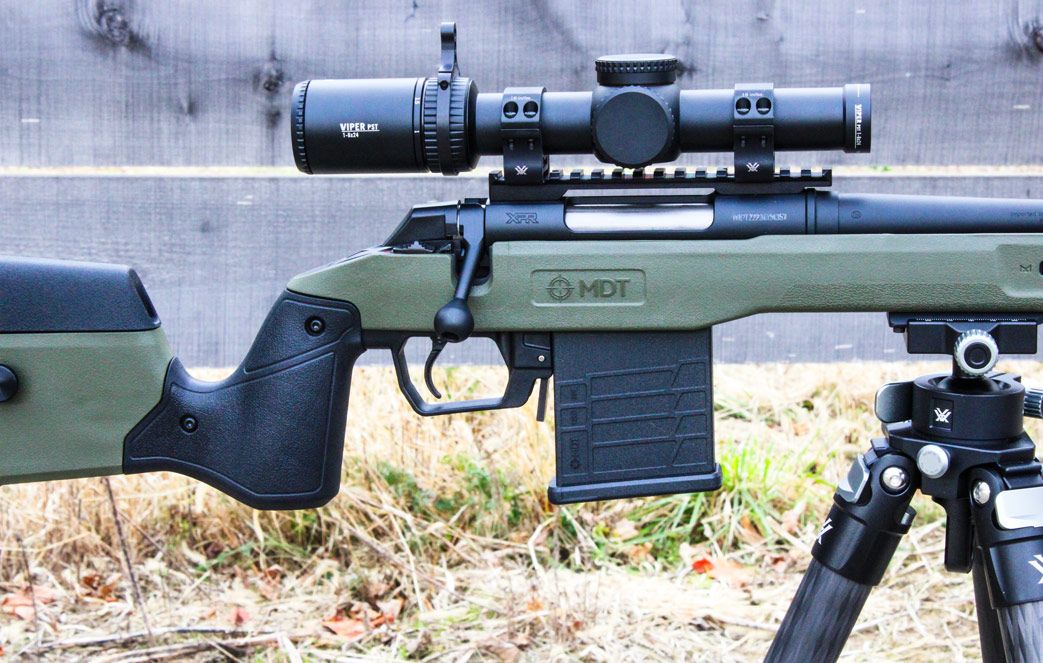
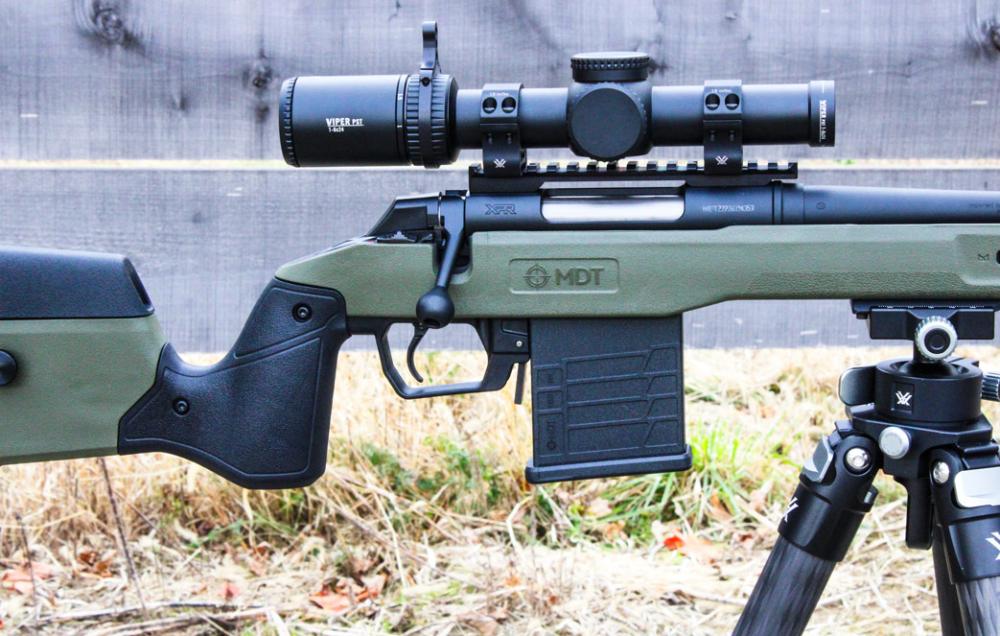
Once I finished, I ran the bolt, checked the safety and trigger, and made sure everything functioned properly. I then reattached the Vortex Viper PST Gen II 1-6x24. I selected this optic because I like its field of view. Like many Midwest hunters, I don't shoot across long distances. In fact, 200 yards is the furthest I'll shoot. It's not that I can't shoot further; it's just not practical where I hunt. Between thick forests and property lines, anything beyond that isn't an option. Others might see it differently, but honestly, that's more the exception than the rule here. After that, I checked the torque on the scope rings to verify that nothing changed during this process. I then added the Oryx bipod to the corresponding sling swivel stud on the stock's forend and attached a short piece of ARCA rail to the rearmost M-LOK slot.
THE VISION
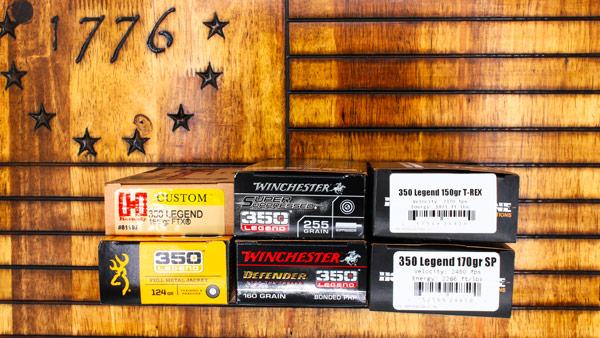
As a hunter and resident of Northeast Ohio, I get by with what I have. For years, that was an old T/C muzzleloader. But as hunting laws have loosened to allow straight-wall cartridges, like many of my fellow hunters, I have expanded our ability to pick and choose a gun to take afield. Over time, that gun has changed and then morphed into what I have built. The MDT Field Stock transformed the look and feel of the Winchester XPR and improved on its ergonomics. Even shooting it feels different. While the 350 Legend isn't a hard recoiling round, the stock's design and shape mitigated some of the felt recoil. That's what smart designs do—enhance the shooting experience.
ZOOMING OUT
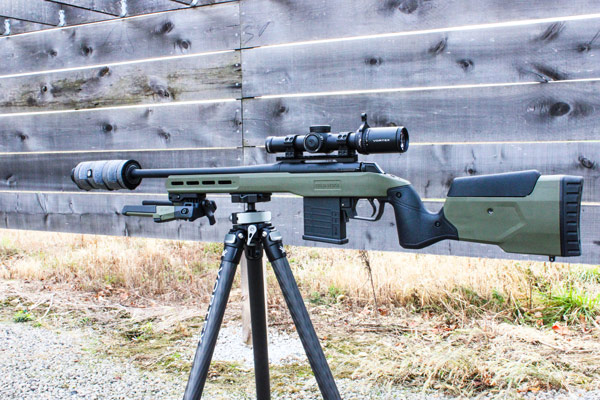
I set out to build the nearly perfect straight-wall cartridge rifle, and I think I've done it. It is handy while being adaptable. I can run off a tripod or bipod easily with the add-on ARCA rail. Moreover, the rifle fits me perfectly because of the spacers and adjustable comb height.
Hunting in Ohio and the Midwest presents challenges that many other hunters don't face. One of those is unique cartridge restrictions. Fortunately, many manufacturers have responded and now offer rifles and accessories to accommodate. By taking a stock Winchester XPR and adding on MDT accessories, I was able to transform it into a precision instrument.