
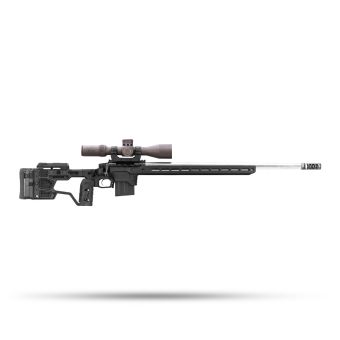

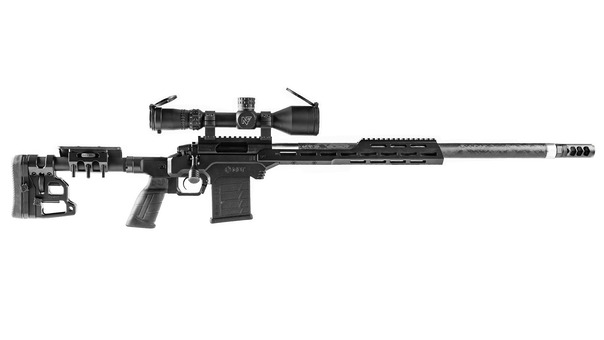

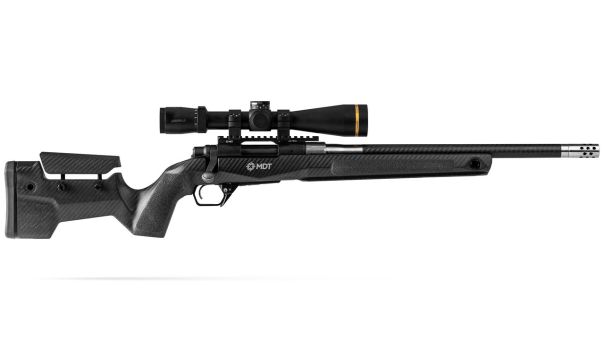
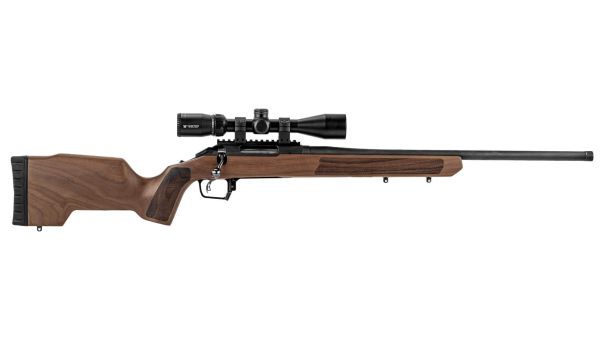




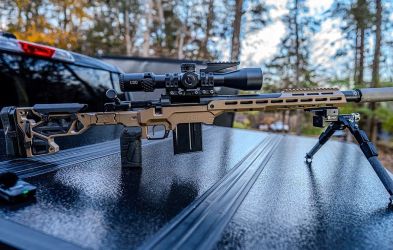

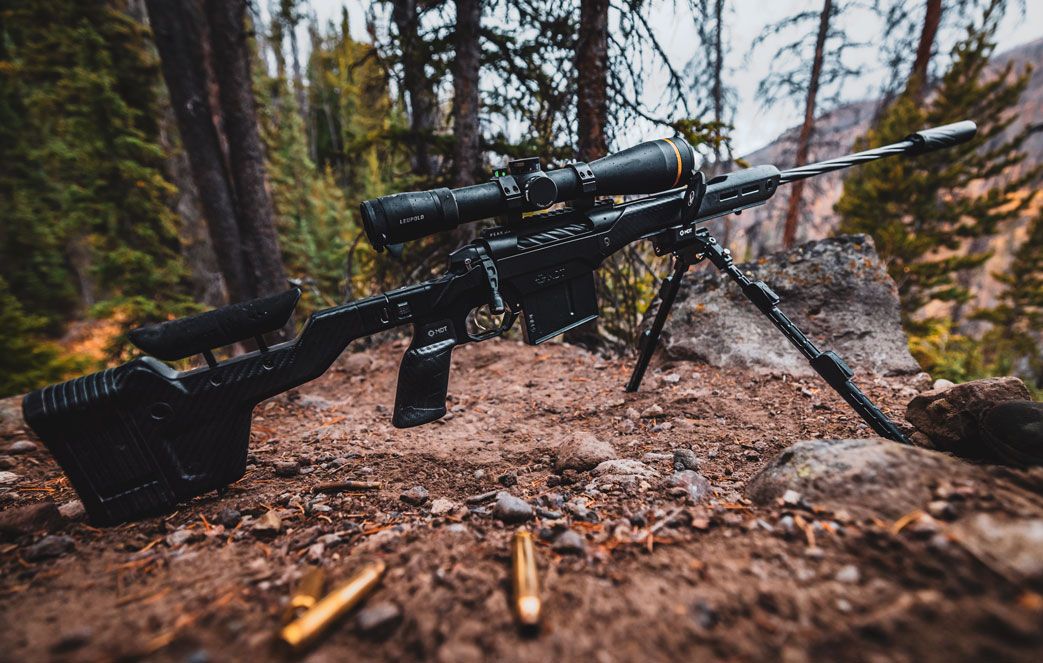

When it comes to precision rifles, there's never enough honest conversation about one key topic: weight. We tend to focus so much on sub-MOA groups and gear specs that we forget the real-world experience of actually carrying and shooting these rifles—especially outside the flat comfort of a benchrest. Let me be clear: there are strong arguments for both lightweight and heavyweight rifles. This will be a two-part series where I'll break down the pros and cons of each. I'm starting here with lightweight rifles—not just because they're my personal go-to in many situations, but because I think their value is often underestimated.
THE CASE FOR LIGHTWEIGHT RIFLES
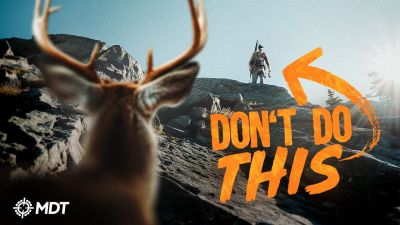
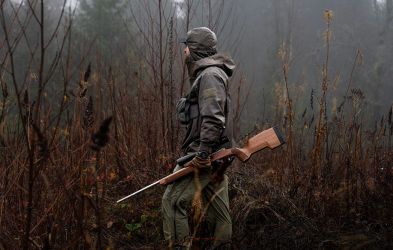
Why does a lightweight precision rifle matter? The answer is simple: mobility. A lot of us do our shooting at the range. We get our trigger time, maybe hit a weekend class or two. But hopefully, at some point, we pursue true education—formal instruction from someone who actually knows what they're doing. That's where everything changes. As your skill set improves, your goals tend to shift. Suddenly, you're not just shooting paper at 100 yards. You're hiking into the mountains chasing elk or glassing distant ridgelines for mule deer. At that point, a lightweight rifle isn't just convenient—it's a game-changer.
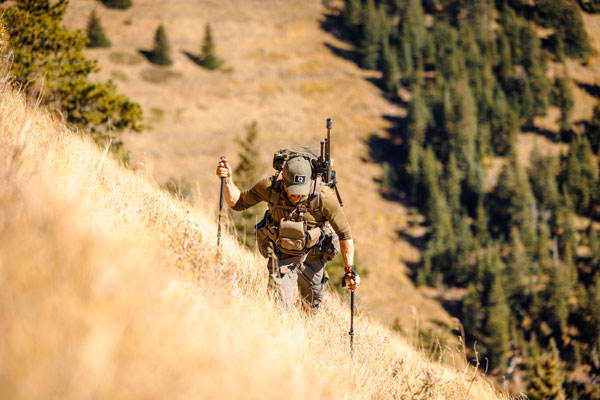
We've all heard it: "Ounces equal pounds, and pounds equal pain." And it's true. The rifle is almost always one of the heaviest pieces of gear I carry on a backcountry hunt. When you're comparing a 6-pound rifle to a 12-pound boat anchor, it doesn't take long to feel the difference—especially when you're gaining elevation fast or logging miles to stay on top of a moving animal.
In Western-style hunting, where the terrain is aggressive and the distances are long, a light rifle gives you freedom. It also helps with unsupported or awkward shooting positions, such as offhand, kneeling, or hasty shots, where stability is a luxury.
THE TRADE-OFF: ACCURACY & RECOIL
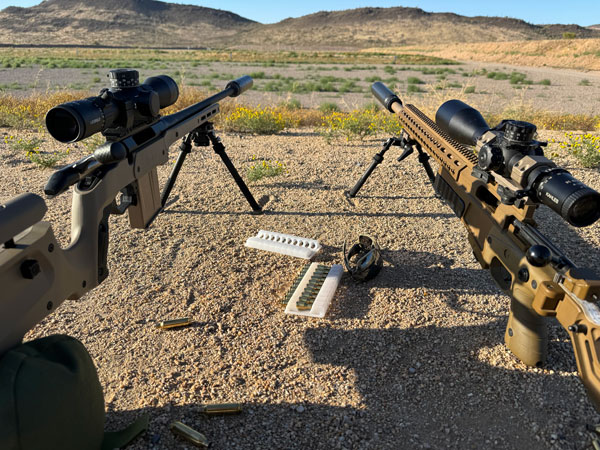
But let's be fair—there are trade-offs. One major drawback of a lightweight rifle is its handling under recoil and its responsiveness to input. Now, some folks might jump at me for saying a lighter rifle is less accurate. But let's break that down. As someone who's spent a lot of time training shooters and taking clients to 1,000-yard ranges to prepare them for high-stakes hunts, I've learned that the rifle is rarely the limiting factor. The bigger issue is usually psychological and procedural: whether the shooter is doing what they know they're supposed to do.
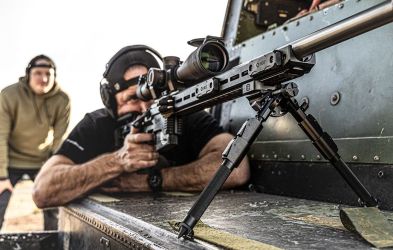
That said, recoil plays a huge role. A lighter rifle bucks more. It's harder to stay on target and tougher to spot your impacts. Small inputs—like a slightly flinched trigger press or an uneven shoulder mount—have a greater effect. It magnifies your mistakes. If we lived in a perfect world, I'd say: hike in with a lightweight rifle and then magically shoot it as if it weighed 15 pounds. But we don't live in that world. What we can do is train accordingly and choose the right rifle for the mission.
HOW I DECIDE WHAT RIFLE TO TAKE
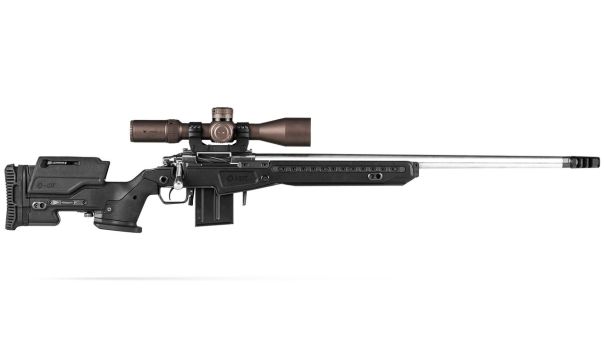
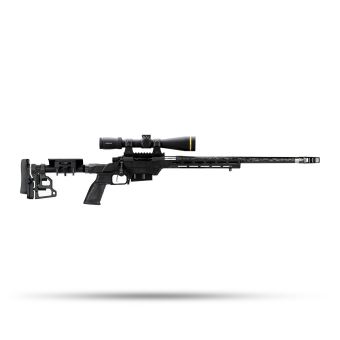
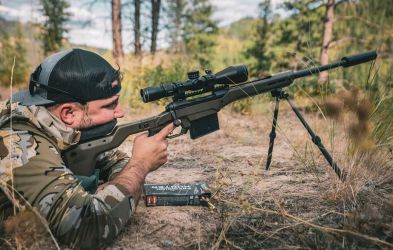
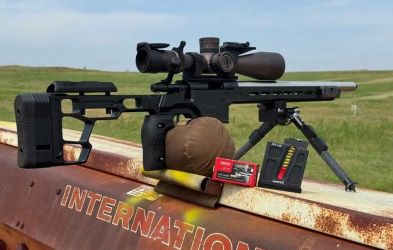
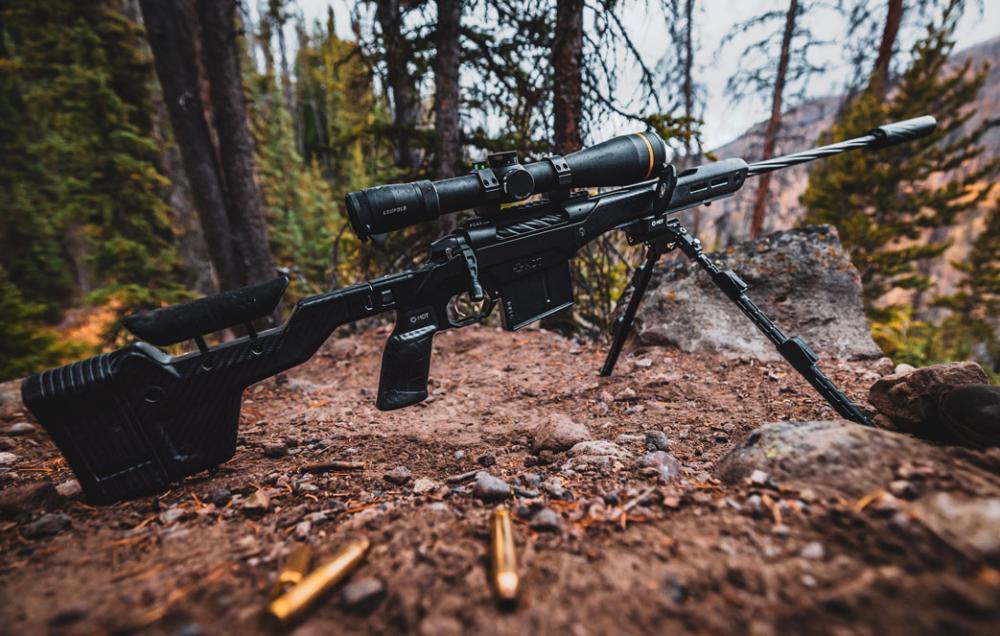
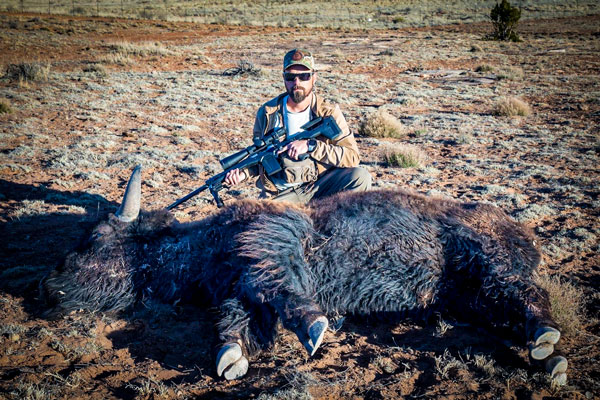
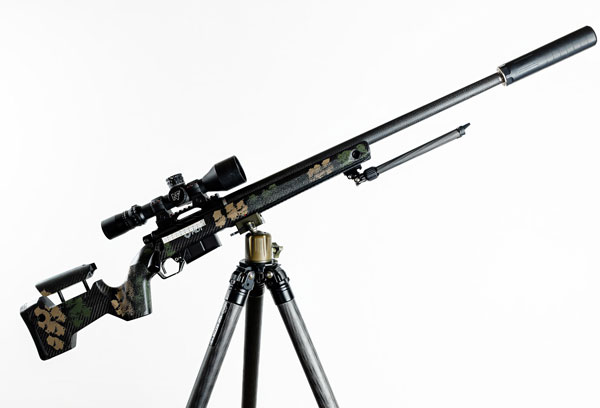
When I'm preparing for a hunt, I typically have two rifles set up: a heavy precision rig and a lightweight field rifle. I base my choice on the terrain and the amount of hiking I anticipate doing. For long treks, I typically opt for a 6.5 PRC in a carbon fiber setup, built on an MDT HNT26 chassis. I run a titanium suppressor to shave off every ounce I can. That setup gives me the best balance of long-range accuracy and mountain-ready weight. It's not about compromising—it's about selecting the right tool for the job.
FINAL THOUGHTS
There's no one-size-fits-all when it comes to rifle weight. But when you're planning to carry that rifle up a mountain or across a canyon, every ounce counts. Lightweight rifles let you cover more ground, move faster, and shoot from real-world positions when the moment finally comes. In the next part of this series, I'll dive into the benefits of heavier rifles—why they shine on the range, in formal training, and in precision applications where movement isn't a factor. Until then, shoot straight and pack smart.