










A lot of us throw on our gear as soon as deer season kicks off. In some states, that's every year. In others, you're lucky to draw a tag every few years. But here's the thing: hunting doesn't end when the big game season closes, or your tag doesn't get drawn. In fact, I'd argue that it shouldn't.
More: 5 Tips for Hunting Predators
As ethical hunters, we carry a responsibility—not just to fill our freezer but to support healthy game populations. And one of the most overlooked yet critical ways to do that is through predator hunting.
COYOTES AREN'T PETS–THEY'RE PREDATORS
A lot of folks see a coyote and think, "Well, it's just a wild dog." That mindset couldn't be more wrong. Coyotes are cunning, adaptable predators. Left unchecked, they can absolutely devastate deer and elk populations. Depending on where you live, predator-to-prey ratios vary. But one fact is universal: coyote populations are growing and in many places, exploding. That pressure directly impacts the number of deer, fawns, calves, and other wildlife available for future hunts. Want to see more deer on your next backcountry hunt? Start helping manage the predators that eat them.

PREDATOR HUNTING BUILDS SKILL–AND KEEPS YOU SHARP
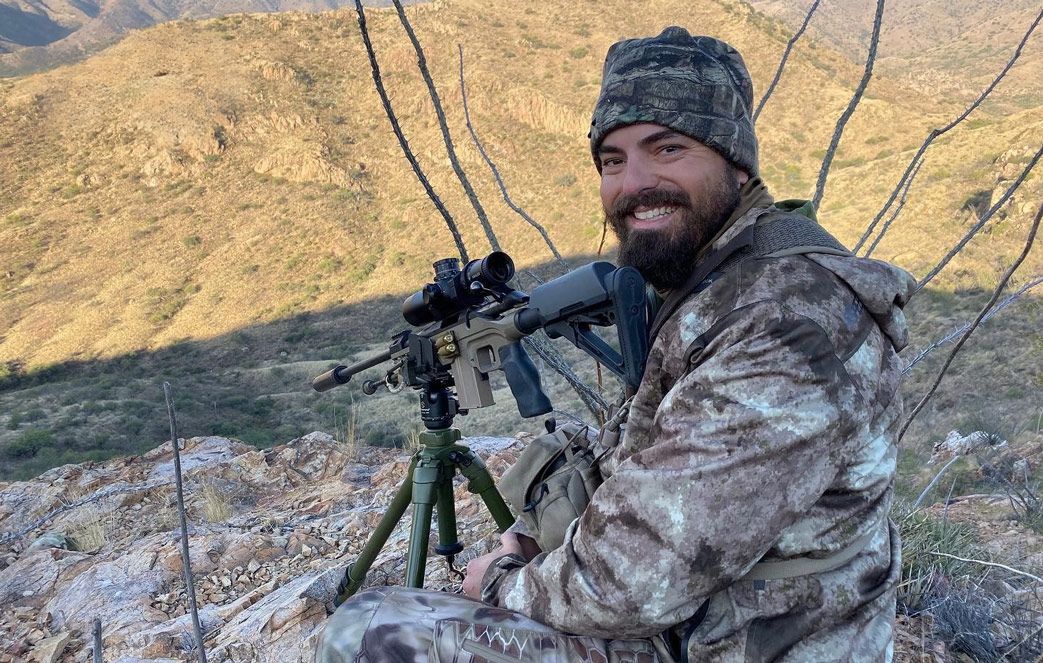
I've been hunting since I was 14 years old. Over the years, I've taken my fair share of game. But hunting for me isn't just about the kill—it's a full experience. From prepping gear and scouting to the pack-out and post-hunt processing, it's my psychological vacation.
When the big game season ends, I shift gears and pursue coyotes. And I'll be honest: it's a whole different kind of hunt.
Coyotes don't just show up; they're not walking into a trap. These animals are smart. They rely on their eyes, ears, and especially their sense of smell to survive. When you call one in, pretending to be an injured rabbit, that coyote doesn't just run in blind. He'll circle downwind. He'll look for visual cues. He'll test your setup.
This makes predator hunting incredible training. You're forced to take precise shots—quickly—with very little warning. The first-time coyote hunters I bring out often miss more than they hit. And I tell them ahead of time: "You'll learn more from the misses than you will the hits." But when it clicks, it makes them ten times more effective in any future hunt.
PREDATOR HUNTING DOESN'T BREAK THE BANK
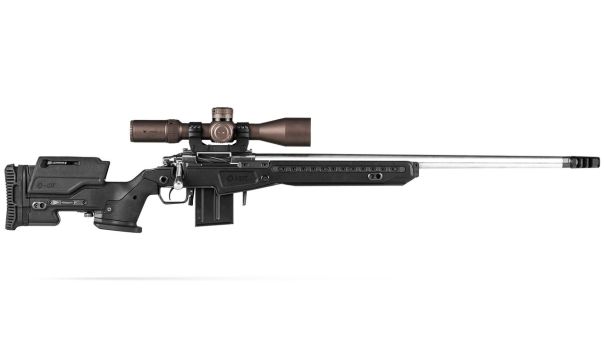
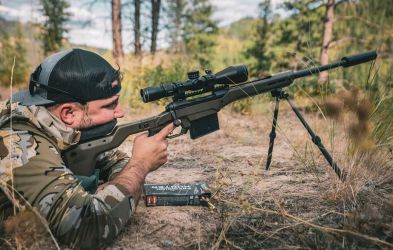
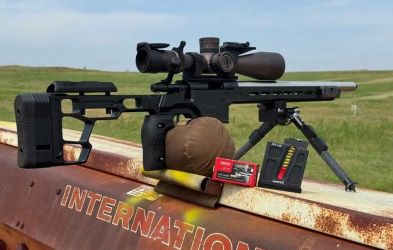
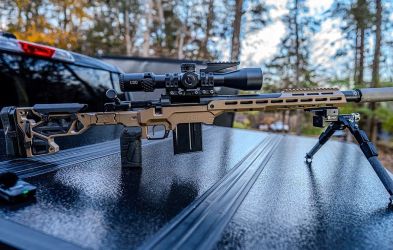
Let's be real—chasing elk or mule deer gets expensive. New rifle, optics, boots, trip costs... it adds up fast. Predator hunting doesn't need to be that way. You don't need a $3,000 rifle or a guided trip. Grab a good game call, bring your deer rifle or an AR-15, and you're ready to roll. Use the wind to your advantage, set up your ambush, and get to work. Older, mature coyotes almost always circle downwind. Younger ones might charge in from anywhere. Either way, you're getting valuable experience.
WHY IT MATTERS
At the end of the day, predator hunting is about more than trigger time. It's about stewardship. It's about giving back to the ecosystem we rely on. And it's about sharpening your skills in a real-world environment that no square range can replicate. So if you're a big game hunter—chasing elk, mule deer, whitetail, whatever—you should be a predator hunter too. It's good training, great fun, and it helps ensure that the animals we love to chase will still be there for generations to come. Get out there. Do the work. And enjoy the hunt year-round.